
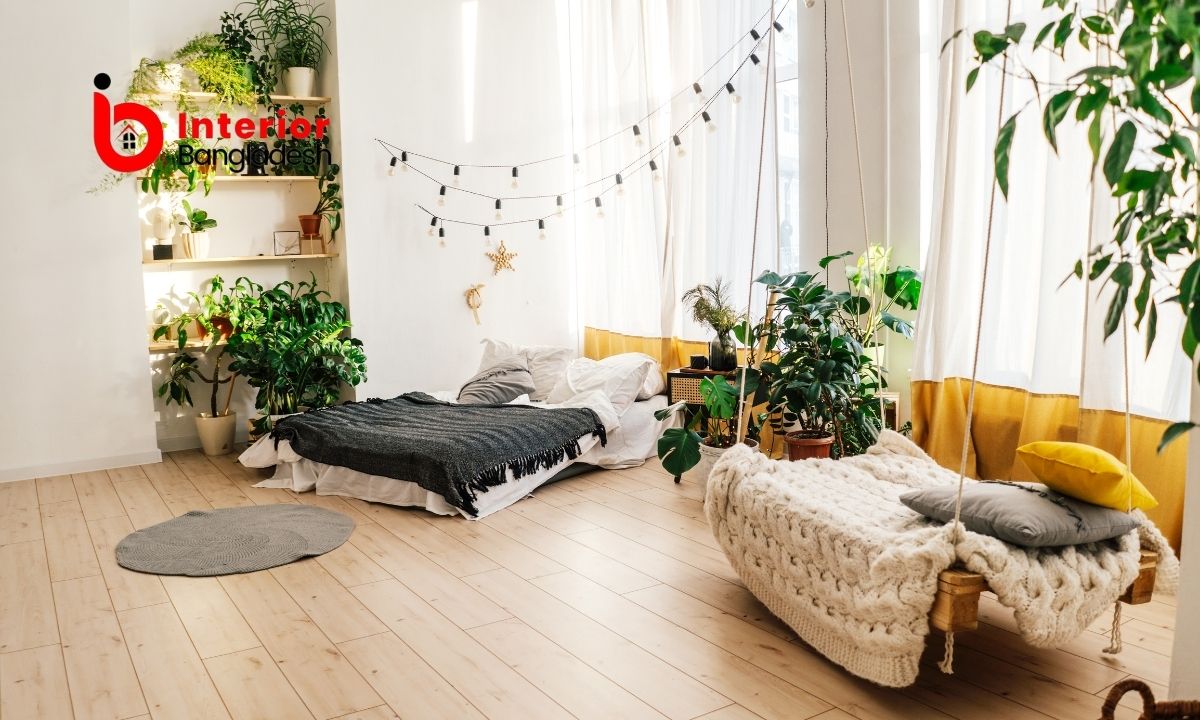
The Importance of Natural Light in Interior Design: Tips and Tricks
Natural light is one of the most crucial elements in interior design, as it can significantly impact the overall look and feel of a space. Beyond simply brightening a room, natural light has the power to enhance mood, improve productivity, and create a sense of openness and warmth. In this article, we'll explore the importance of natural light in interior design and share tips and tricks for maximizing its benefits in your home.
Understanding the Importance of Natural Light
Natural light is not only essential for illuminating a room but also for creating a connection to the outdoors and enhancing the ambiance of a space. Unlike artificial lighting, natural light changes throughout the day, casting dynamic shadows and creating a sense of movement and vitality. Exposure to natural light has been shown to boost mood, regulate sleep patterns, and improve overall well-being.
In interior design, natural light can help highlight architectural features, accentuate colors and textures, and make rooms feel more spacious and inviting. By harnessing the power of natural light, designers can create bright, airy, and uplifting spaces that are both functional and aesthetically pleasing.
Tips and Tricks for Maximizing Natural Light
1. Optimize Window Placement: When designing or renovating a space, consider the placement and size of windows to maximize natural light intake. Larger windows and strategically placed skylights can help flood a room with sunlight and create a sense of openness.
2. Use Light-Colored Finishes: Light-colored walls, ceilings, and flooring can help reflect and amplify natural light, making a room feel brighter and more expansive. Choose paint colors in soft whites, pale neutrals, or pastel shades to enhance the effects of natural light.
3. Minimize Window Treatments: Opt for sheer or lightweight window treatments that allow natural light to filter into a room while still providing privacy and sun protection. Avoid heavy curtains or blinds that block out sunlight and darken a space unnecessarily.
4. Incorporate Reflective Surfaces: Introduce mirrors, glass accents, and shiny finishes into your interior design scheme to bounce natural light around a room and maximize its impact. Place mirrors strategically opposite windows to amplify the effects of natural light and create the illusion of more space.
5. Trim Trees and Shrubs: Keep outdoor vegetation neatly trimmed to prevent foliage from obstructing windows and blocking natural light from entering your home. Prune trees and shrubs regularly to maintain clear sightlines and optimize natural light intake.
6. Install Light Tubes or Solatubes: Light tubes or solatubes are innovative devices that capture natural light from the roof and funnel it into interior spaces through reflective tubes. Install light tubes in dark or windowless areas to bring in natural light and brighten up your home.
7. Choose Light-Filtering Window Treatments: If privacy is a concern, opt for light-filtering window treatments like honeycomb shades, sheer curtains, or frosted glass. These options allow natural light to penetrate while still providing privacy and diffusing harsh glare.
8. Maximize Open Floor Plans: Embrace open floor plans and minimize interior walls to allow natural light to flow freely throughout your home. Remove unnecessary partitions and barriers to create a seamless connection between indoor and outdoor spaces.
Conclusion
Natural light plays a vital role in interior design, enhancing mood, productivity, and overall well-being. By understanding the importance of natural light and implementing strategies to maximize its benefits, you can create bright, airy, and inviting spaces that are both beautiful and functional. From optimizing window placement to incorporating reflective surfaces, there are plenty of tips and tricks for harnessing the power of natural light in your home.
FAQs
1. Why is natural light important in interior design?
- Natural light enhances mood, improves productivity, and creates a sense of openness and warmth in interior spaces. It also highlights architectural features and accentuates colors and textures.
2. What are some benefits of maximizing natural light in the home?
- Maximizing natural light can reduce reliance on artificial lighting, lower energy costs, and create a healthier and more comfortable living environment.
3. How can I increase natural light intake in my home?
- Optimize window placement, use light-colored finishes, incorporate reflective surfaces, and minimize window treatments to maximize natural light intake in your home.
4. Are there any downsides to maximizing natural light in the home?
- While natural light offers numerous benefits, excessive exposure to sunlight can cause glare, fade furniture and fabrics, and increase indoor temperatures. It's essential to strike a balance between maximizing natural light and mitigating its potential drawbacks.
5. What if my home doesn't receive much natural light?
- If your home lacks natural light, consider incorporating artificial lighting solutions like LED bulbs, task lighting, and ambient fixtures to brighten up dark spaces and create a more inviting atmosphere.